

When Do You Actually Need a Storage Unit During a Greensboro Move?
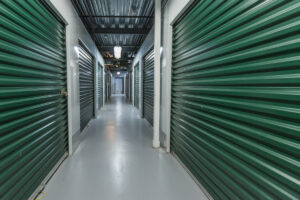 Quick Answer: You need a storage unit during a move when your move-out and move-in dates don’t line up, when you’re downsizing into a home that can’t hold everything, or when renovation work keeps you out of the new place. If your belongings can go straight from one door to the other, you more than likely will not need storage.
Storage earns its cost only when something breaks the straight line between your old home and your new one, so name the break before you compare the storage Greensboro movers offer and self-storage facilities. A one-week gap between closings calls for a different kind of storage than a parent’s extra dining room set that may never come out again.
Not every move requires a storage unit, but the right one solves problems that are hard to fix any other way. Steele & Vaughn, a Greensboro moving and storage company on Yanceyville Street, handles local and long-distance moves across the Triad and keeps warehouse storage in Greensboro for customers between homes. The sections below cover when storage makes sense, when it costs more than it saves, and what changes on paper once your belongings sit in a warehouse instead of a truck.
Use Storage When Your Dates Don’t Line Up
A gap between your move-out date and your move-in date is the clearest reason to use storage. If you are scheduling things out with the moving company and realize the new home won’t be ready when you have to be out of the old one, your belongings need a landing spot. Even a short gap needs a plan, because a loaded truck can’t sit in a driveway for a week waiting on a closing attorney.
Date gaps come from a handful of places: a buyer who needs possession before your purchase closes, a lease that ends on the 31st when the new lease starts on the 15th, a closing that slides because of a lender or appraisal delay, or a builder who pushes a completion date. A Burlington closing that moves back five days creates the same problem as a Winston-Salem apartment that isn’t vacant yet.
The decision that locks in early is how the storage is booked. When the same mover picks up your belongings, stores them, and delivers them, the storage can be part of the move itself rather than a separate rental. That matters for the paperwork, the protection on your goods, and who you call if something goes wrong (more on that below). Tell the estimator about any possible gap during the in-home survey, even if you hope it won’t happen. Adding storage later is possible, but it is easier when the plan already accounts for it.
The Downsizing Dilemma
If you are downsizing, storage buys time for decisions you aren’t ready to make on moving day. There’s a good chance everything from your current home won’t fit into a smaller one, and that overflow has to go somewhere. You might want to sort through the extra items eventually, but you may not have time for that kind of decluttering now.
Storage works well as a short-term solution here, with one condition: set a decision date when you sign up. Without a decision date, storage meant to last a season can roll forward month after month until the rent passes what the stored furniture would cost to replace. Before you store a piece, ask whether you would pay to move it twice and pay rent on it in between. If the answer is no, sell it, donate it, or give it to family before the move.
For pieces you decide to let go, the City of Greensboro’s bulk item collection picks up furniture, mattresses, and similar items every other week on your recycling day, while TVs and computers go to the Household Hazardous Waste Collection Center instead. That schedule applies to City of Greensboro addresses only; High Point, Winston-Salem, Burlington, and unincorporated Guilford County each run their own programs. Plan the purge a few collection cycles ahead of the move so curbside timing doesn’t force you to store things you meant to discard.
If a parent is moving into a smaller home or apartment, a separate guide on how to prepare to downsize walks through floor-plan sorting before anything goes into storage.
Planning for a Renovation
Renovation is the third strong case for storage, and it matters whether you’ll live in the house during the work. If you are moving in after construction finishes, storage simply bridges the gap like any date mismatch. If you plan to update a few rooms while living there, storage keeps furniture and boxes out of the work zone, where drywall dust, foot traffic, and contractors moving materials put them at risk.
Renovation schedules can slip, and every extra week adds rent on every stored item. Plan for that by storing only what the work actually displaces. Keep daily-use items, work files, and seasonal clothing with you, since retrieving them from storage costs a trip and, with a mover’s warehouse, an appointment.
Sequence matters here too. Have the contractor confirm the rooms are finished before scheduling delivery out of storage, and ask whether floors need curing time before heavy furniture rolls across them.
When You Probably Don’t Need Storage
Skip storage when the gap is a day or two and the mover can hold the load. Steele & Vaughn’s local moving service includes overnight secure storage inside its trucks, which can cover a short overlap without unloading into a warehouse. Ask whether that option fits your dates before renting a unit.
Storage also makes little sense for belongings you already plan to get rid of, for items worth less than a few months of rent, or for things you’ll need within days of moving in. Every trip in and out of storage adds handling, and handling is where furniture gets scuffed and boxes get crushed.
Warehouse Storage or a Self-Storage Unit in Greensboro
The choice between a mover’s warehouse and a self-storage unit comes down to who handles your belongings and how often. With warehouse storage, the moving crew loads your goods at your home, takes them to the warehouse, and later delivers them to the new address. With a self-storage unit, you or a crew unload into a unit you rent, and someone has to load everything back out later.
Containerized storage means your goods are packed into storage containers that move as a unit rather than piece by piece, and fewer touches mean fewer chances for damage. Steele & Vaughn describes its Greensboro warehouse as completely containerized, electronically protected against fire and burglary, and available for customer inventory or inspection. The tradeoff is access: a self-storage unit is yours to open during the facility’s hours, while warehouse goods are reached through the mover.
| Factor | Mover’s warehouse storage | Self-storage unit |
| Who loads and unloads | The moving crew, at both ends | You, or movers you hire for each trip |
| How often items are handled | Loaded once into storage containers | Unloaded into the unit, then reloaded later |
| Access | Through the mover, since the goods stay in the mover’s warehouse | During the facility’s posted hours |
| Mover’s responsibility | Depends on whether it is storage-in-transit or permanent storage (see below) | Ends once items are placed in your unit (NCUC guidance) |
| Best fit | Date gaps and moves where you won’t need items until delivery | Long stays where you need regular access |
For a self-storage unit, cost depends on more than the monthly rent. Ask any of the local movers Greensboro residents call for estimates to price both legs of the job, because local move pricing depends on the size of the move and the crew hours it takes. Two loading jobs mean paying for two sets of hours.
What Greensboro Summers Do to Stored Belongings
Heat is the local factor that changes what you store and where. Greensboro’s July average sits in the upper 70s, but the extremes matter more than the average for a closed unit. July 2024 averaged 79.5°F at Piedmont Triad International Airport, and the airport hit a record 99°F on July 15, 2024, according to the National Weather Service July 2024 climate summary for central North Carolina. A closed metal unit or truck box runs hotter than the outside air on days like that.
Candles, vinyl records, photographs, electronics, cosmetics, and wood furniture with glued joints or veneer are among the items most affected by heat and humidity swings. If you’re storing those through a Piedmont summer, ask any facility whether its space is climate controlled and how it is ventilated, and get the answer in writing. Pack fragile and heat-sensitive pieces with that in mind, or keep them with you.
How Storage Changes the Rules on Your Move
Putting belongings in storage can change which rules apply and when your mover’s responsibility ends. The answer depends on whether the move stays inside North Carolina or crosses a state line.
For moves within North Carolina, the North Carolina Utilities Commission (NCUC) regulates household goods movers. The NCUC’s consumer guide for moves within North Carolina defines storage-in-transit (SIT), meaning short-term storage held during a move, as storage for a period not to exceed 180 days, kept in a warehouse the mover owns or leases long term. SIT charges are billed in 30-day increments. Beyond 180 days, the guide treats the shipment as permanent storage, which is outside the Commission’s jurisdiction, and a shipment placed in permanent storage is considered delivered when it arrives at the facility. The guide also states that when a mover unloads into a storage unit you control, the mover’s liability ends once the items are in the unit, so inspect everything before the crew leaves.
Interstate moves follow federal rules from the Federal Motor Carrier Safety Administration (FMCSA). If an interstate mover holds your goods in storage-in-transit, FMCSA’s rules for transporting your shipment require written notice at least 10 days before the SIT period expires (one day before, for periods under 10 days). That notice must state when SIT converts to permanent storage, when the mover’s liability ends, and that your goods then fall under the storage facility’s rules and charges. A move from High Point into storage and then to Danville, Virginia, falls under those federal rules even though it is shorter than a move from Greensboro to Wilmington, which stays under the NCUC. Interstate moves add their own planning steps, covered on the long distance moving service page.
Two questions belong in every storage conversation with a mover:
- Is this storage booked as storage-in-transit or as permanent storage, and on what date does that change?
- How do my valuation choice and the warehouse’s insurance apply while my goods are in storage? The NCUC guide advises asking for written verification that the mover has adequate insurance coverage.
Valuation, the mover’s liability for loss or damage, is not insurance. If you want to know whether your homeowners or renters policy covers stored belongings, ask your insurance agent directly.
Settle the Storage Plan at the Estimate
The strongest storage plans are made at the estimate, when the dates, the inventory, and the storage stay can be priced together. Storage added in a hurry usually means a second truck, a second crew booking, and paperwork that was never written for a two-stage move. If you see any chance of a gap, a downsizing overflow, or a renovation delay, raise it at the start.
Steele & Vaughn offers free in-home estimates and warehouse storage in Greensboro, so bring up any storage need at the estimate. For more on what a full move costs, the moving budget guide breaks down the line items, including storage.
People Also Ask
Is it cheaper to use a self-storage unit or a mover’s warehouse?
It depends on how long you’ll store and how many times your belongings move. A self-storage unit can have lower monthly rent, but you pay for loading in, loading out, and often a rental truck or a second crew for each trip. Warehouse storage through a mover bundles the handling into the move. For short gaps between closings, compare the total cost of both legs, not the monthly rate alone.
What should you not put in a storage unit?
Leave out perishable food, plants, anything flammable or pressurized, and items you can’t replace, such as passports, financial records, jewelry, and family photographs you only have one copy of. Movers also won’t carry hazardous materials, so those can’t go into warehouse storage either. Heat-sensitive items like candles, vinyl records, and electronics belong in climate-controlled space or with you, especially from late spring through early fall in the Triad.
Does homeowners or renters insurance cover items in storage?
Some policies extend coverage to belongings kept off the premises, and some limit it, so the answer depends on your policy. Call your agent before the move and ask specifically about items in a self-storage unit or a mover’s warehouse. Separately, the mover’s valuation coverage is a liability limit, not an insurance policy, and its terms are set by the coverage you choose on the bill of lading.
Can you get to your things while they’re in warehouse storage?
Yes. Steele & Vaughn states its Greensboro warehouse is available for customer inventory or inspection. Because warehouse goods are stored in containers rather than on open shelves, reaching one item means the container holding it has to be opened, so tell the mover ahead of time what you’re looking for. If you know you’ll need something during the storage period, pack it in a clearly labeled box and tell the crew to load it where it can be reached.
How do you know what size storage unit you need?
Start with an inventory of what’s actually going into storage, not the size of your house. Large furniture, mattresses, and appliances take up far more room than boxes, and how tightly the unit is packed matters. During an in-home estimate, a mover lists your items and calculates the space they need, which gives you a better starting point than guessing from a unit size chart.
How soon should you reserve storage for a move?
Reserve storage when you book the move, as soon as a date gap looks possible. Warehouse space and moving crews are scheduled together, and demand can climb around month-end lease dates and in busy moving months. Booking both at once lets the estimate cover the full plan, from pickup to storage to final delivery, instead of piecing it together after dates shift.


Leave a Reply
Want to join the discussion?Feel free to contribute!